Menu

Explore Non-Surgical Hair Regrowth Options Today in Pancard club Road

Laser Therapy for Hair Regrowth in Pancard club Road

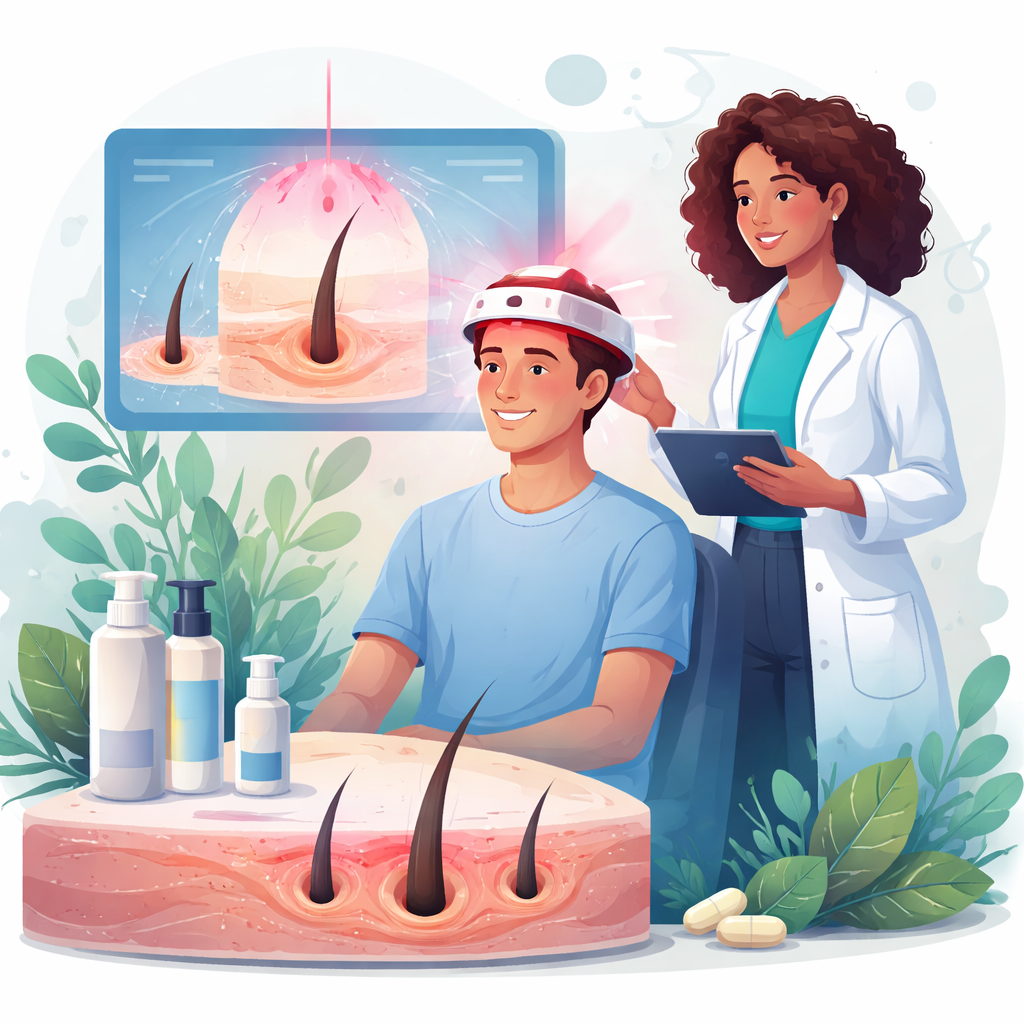
One of the promising non-surgical hair regrowth options available today is laser therapy, which utilizes low-level lasers to stimulate hair follicles. This method, also known as low-level laser therapy (LLLT), is non-invasive and can be performed in the comfort of your home or under professional care. The lasers emit a visible red light that penetrates the scalp and increases blood circulation, encouraging hair growth. Studies have shown significant improvements in hair density and fullness for individuals undergoing laser treatments. An appealing aspect of this therapy is its simplicity and the absence of recovery time, making it a viable option for busy individuals. Additionally, LLLT has been found to be effective in conjunction with other treatments, serving as a complementary method to enhance overall results. Many users report seeing visible results within a fe
w months of consistent use, fostering renewed confidence and satisfaction with their appearance. Those interested should ensure they choose devices or services accredited by industry standards, ensuring both safety and effectiveness. Professional guidance can optimize outcomes and tailor treatments to specific hair loss patterns and needs, offering personalized solutions. As technology advances, laser therapy continues to become more accessible, cost-effective, and integrated into daily hair care routines.

Exploring Topical Treatments for Hair Loss in Pancard club Road

Topical treatments remain a cornerstone of hair regrowth strategies, providing accessible and user-friendly solutions for hair restoration. Among the most popular is Minoxidil, a clinically proven medication available over-the-counter in various formulations. Minoxidil helps invigorate hair follicles, prolonging their growth phase, and is suitable for use by both men and women. Applying it regularly can lead to noticeable improvements in hair thickness and overall volume within a few months. While this method is user-friendly, it requires consistency, as discontinuation may reverse progress. Although generally safe, it is essential to monitor for any allergic reactions, and discussions with a healthcare provider can help mitigate potential side effects. Complementing Minoxidil, holistic hair serums containing natural ingredients like Biotin and Saw Palmetto are gaining popu
larity, providing a gentle alternative for those preferring chemical-free options. Those seeking immediate results might also consider scalp micropigmentation to create an illusion of thicker hair. Selecting a trusted product, certified by dermatologist practices, ensures you reap the full benefits while maintaining scalp health. Topical treatments provide a cost-effective and non-invasive alternative, granting users the flexibility to manage hair loss personally and effectively.

Platelet-Rich Plasma (PRP) Therapy in Pancard club Road

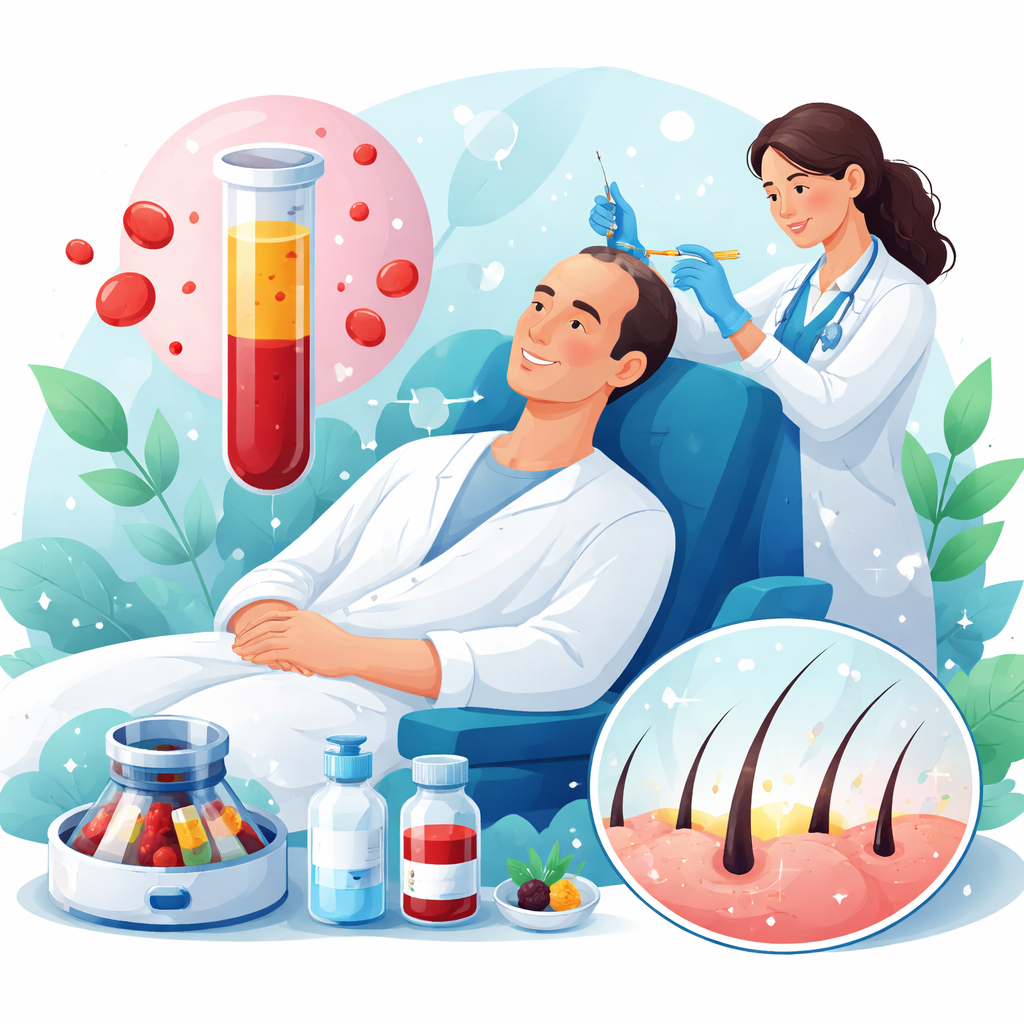
For individuals seeking a medical approach without the invasiveness of surgery, Platelet-Rich Plasma (PRP) therapy emerges as a compelling choice for hair regrowth. This method involves extracting a small amount of your own blood, processing it to concentrate the platelets, and injecting it into the scalp to boost hair density and thickness. The growth factors in PRP are believed to stimulate dormant hair follicles, rejuvenating their function and promoting regrowth. PRP therapy has garnered attention for its natural approach, utilizing the body's healing properties to drive results. Many patients note improved hair texture and appearance within several sessions, with benefits potentially extending beyond cosmetic enhancements. Professionals often recommend PRP as part of a comprehensive treatment program, aligning it with other modalities like laser therapy or topical application
s for optimal efficacy. Safety is paramount, and the procedure should be conducted by trained medical practitioners to mitigate any risks associated with blood processing or injection techniques. As PRP technology continues to progress, its growing popularity underscores its viability as a non-surgical option to combat hair loss, offering hope and renewed confidence to those seeking a rejuvenated appearance.

Nutritional and Lifestyle Factors in Hair Growth in Pancard club Road

Diet and lifestyle modifications are integral to supporting hair regrowth, providing a foundation for the effectiveness of other treatments. Nutritional supplements rich in vitamins such as Biotin, Iron, and Vitamin D, alongside essential fatty acids, play a critical role in hair health. A balanced diet that supports hair follicle function can enhance hair density and reduce shedding. Additionally, regular exercise aids in maintaining healthy circulation, ensuring that hair follicles receive adequate oxygen and nutrients. Stress management, through practices like yoga or meditation, can mitigate stress-related hair loss by stabilizing hormonal fluctuations that adversely affect hair growth cycles. Incorporating scalp massages into daily routines can further boost circulation, promoting a healthy hair growth environment. For those considering enhancement through lifestyle ch
anges, it's advisable to consult with a healthcare provider to tailor an optimal plan, factoring any underlying health conditions. Avoiding harsh chemical treatments and reducing heat styling can also prevent damage, preserving natural hair integrity. Collectively, these changes not only complement existing hair regrowth treatments but also offer a holistic approach to hair care, empowering individuals to actively participate in their hair restoration journey. With growing awareness, these strategies continue to gain traction, proving their worth in achieving sustainable results.
Frequently Asked Questions

What is non-surgical hair regrowth?
Non-surgical hair regrowth encompasses treatments that rejuvenate hair without invasive procedures. Popular options include laser therapy, topical solutions like Minoxidil, and PRP therapy. These methods enhance hair density and combat loss by stimulating hair follicles using light energy, active ingredients, or your body's natural growth factors. Ideal for those seeking minimally intrusive solutions, they provide effective and safe alternatives to traditional surgery.
Can laser hair therapy be done at home?
Yes, laser hair therapy can be performed at home using FDA-approved devices designed for personal use. These low-level laser products enhance hair growth by increasing blood flow to the scalp. However, proper use as per the manufacturer's guidelines is crucial for optimal results. Consulting with a hair care professional can provide additional insights into ensuring safety and maximizing efficacy when using home devices.
How effective is PRP therapy for hair loss?
PRP therapy is considered effective for many individuals experiencing hair loss, especially when combined with other treatments like topical Minoxidil or laser therapy. It revitalizes dormant hair follicles and stimulates new growth using concentrated platelets from your blood. Patients often observe improved hair texture and thickness after multiple sessions. Consulting a certified medical practitioner ensures safety and personalization of therapy, enhancing outcomes.
Are topical treatments safe for everyone?
While most topical treatments for hair loss like Minoxidil are generally safe, they may not suit everyone, particularly those with scalp sensitivities or allergies. It's advisable to conduct a patch test and consult healthcare professionals before starting. Alternatives such as natural hair growth serums can be considered for sensitive users, offering gentle yet effective solutions. Monitoring skin reactions during initial use ensures safe application.
What lifestyle changes can support hair regrowth?
Adopting a nutritious diet rich in Biotin, Iron, and Vitamin D, along with regular exercise, significantly supports hair regrowth. Stress management techniques and avoiding harsh styling treatments prevent additional hair damage and loss. Scalp massages with essential oils may also promote healthier growth. Consulting with a nutritionist can help optimize dietary plans, tailoring them to enhance the efficacy of any concurrent hair restoration efforts.
Call Us Now
Chat With Us