Menu

How Scalp Infections Lead to Hair Loss and Early Treatment Options in Pancard club Road

Understanding Scalp Infections and Their Impact on Hair Health in Pancard club Road

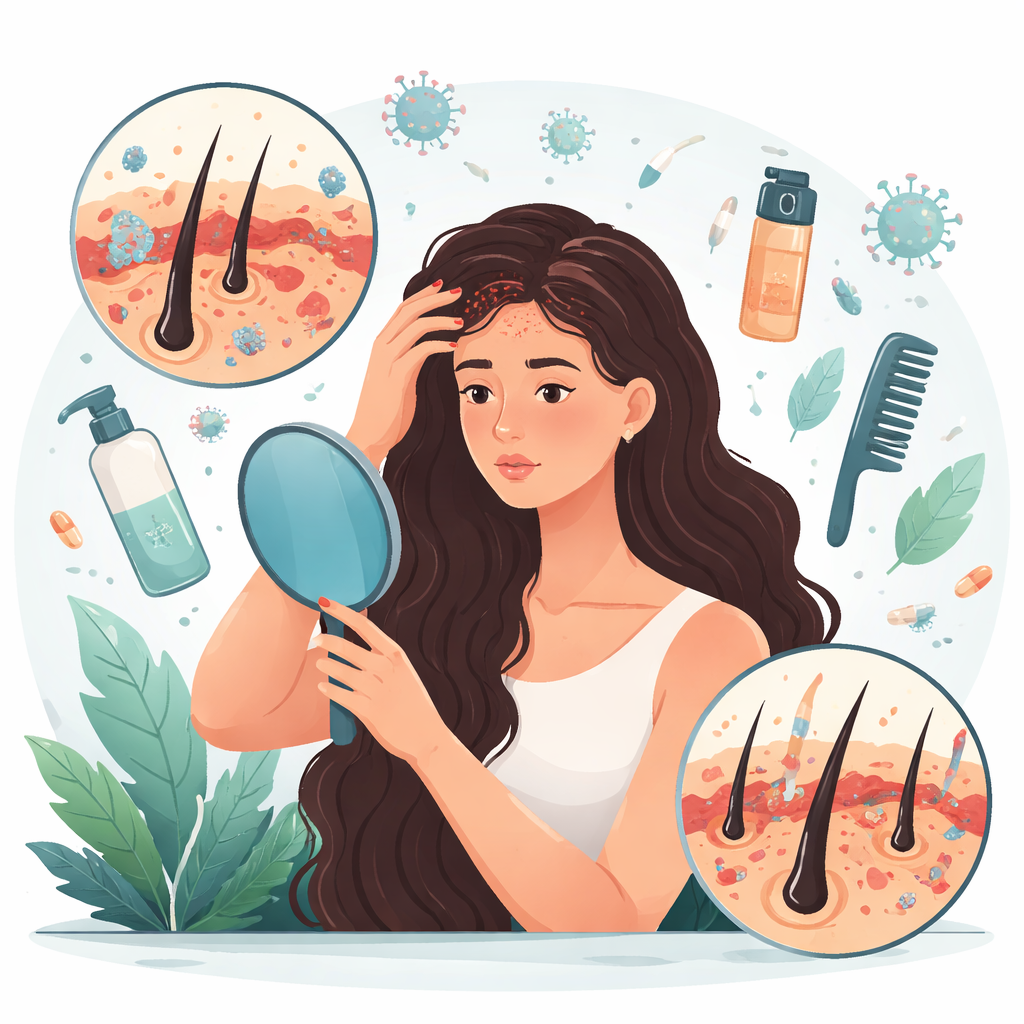
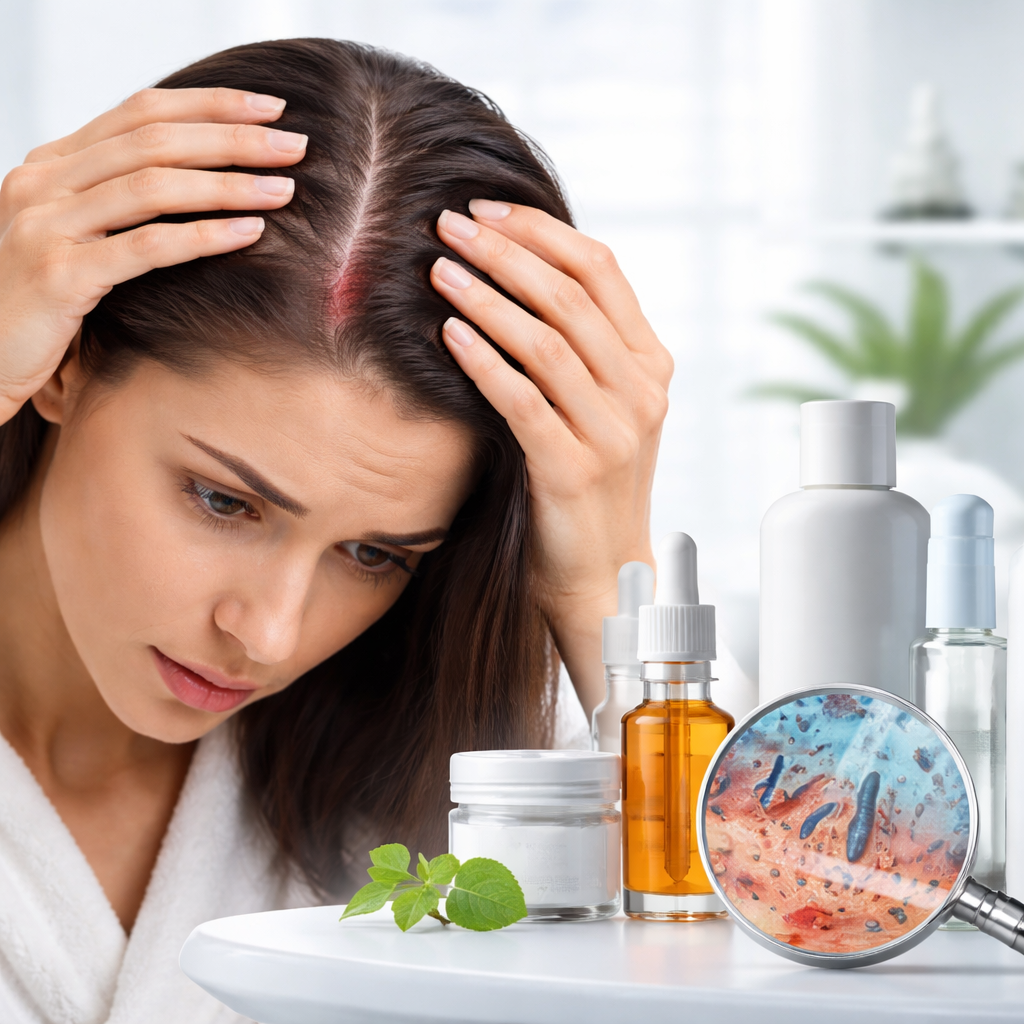
Scalp infections can have a profound effect on overall hair health, often resulting in significant hair loss. These infections might include conditions such as dandruff, folliculitis, and ringworm, all of which contribute to a compromised scalp environment. When the scalp is unhealthy, hair follicles can become weak, leading to patchy hair loss and, in severe cases, more permanent damage. This underscores the importance of diagnosing and addressing scalp infections early to prevent further damage. The scalp, rich in hair follicles, requires proper care to maintain its health, making early intervention crucial. Treating infections early with antifungal or antibacterial shampoos, prescribed by dermatologists, can help mitigate the impact on hair. Moreover, understanding the symptoms, such as itching, redness, or swelling, can help in quick diagnosis and treatment. Nota
bly, lifestyle changes, including proper diet and stress management, play a significant role in maintaining scalp health. Multiple studies highlight that untreated scalp infections can exacerbate hair loss, making professional guidance and routine scalp checks essential. Preventing extended damage involves being aware of personal hygiene and using tailored hair care products designed for infection-prone scalp types.
Common Causes of Scalp Infections Leading to Hair Loss in Pancard club Road

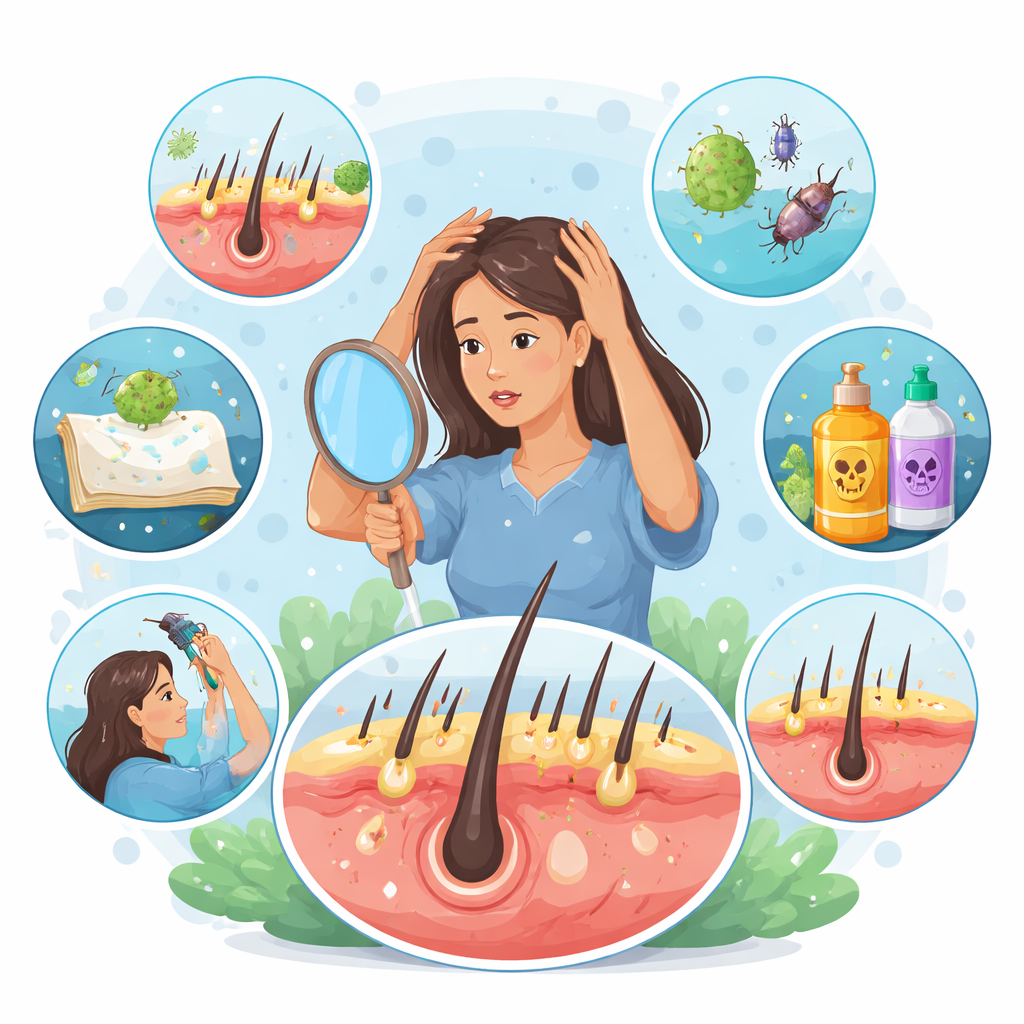
Various factors can lead to scalp infections, each contributing differently to hair loss. Bacterial, fungal, and viral infections are the most common culprits. For instance, dandruff, primarily caused by fungal overgrowth, can result in an itchy and flaky scalp, disrupting hair growth. Ringworm, a highly contagious fungal infection, leads to round patches of hair loss, creating distress. Another significant contributor is folliculitis, an inflammation caused by bacteria or fungi affecting the hair follicles. This condition can lead to pus-filled blisters, damaging the hair shafts. Stress and immune system deficiencies can exacerbate these infections, making prompt medical consultation vital. Additionally, environmental factors, such as pollution and harsh weather conditions, contribute to the problem by weakening the scalp's defenses. Understanding these causes helps in preventive
measures, ensuring that the scalp remains healthy. Incorporating antimicrobial treatments and maintaining scalp hygiene are effective strategies to combat infections. By addressing these underlying causes, individuals can work towards regaining healthy hair growth and preventing further hair loss.

The Importance of Early Treatment for Scalp Conditions in Pancard club Road

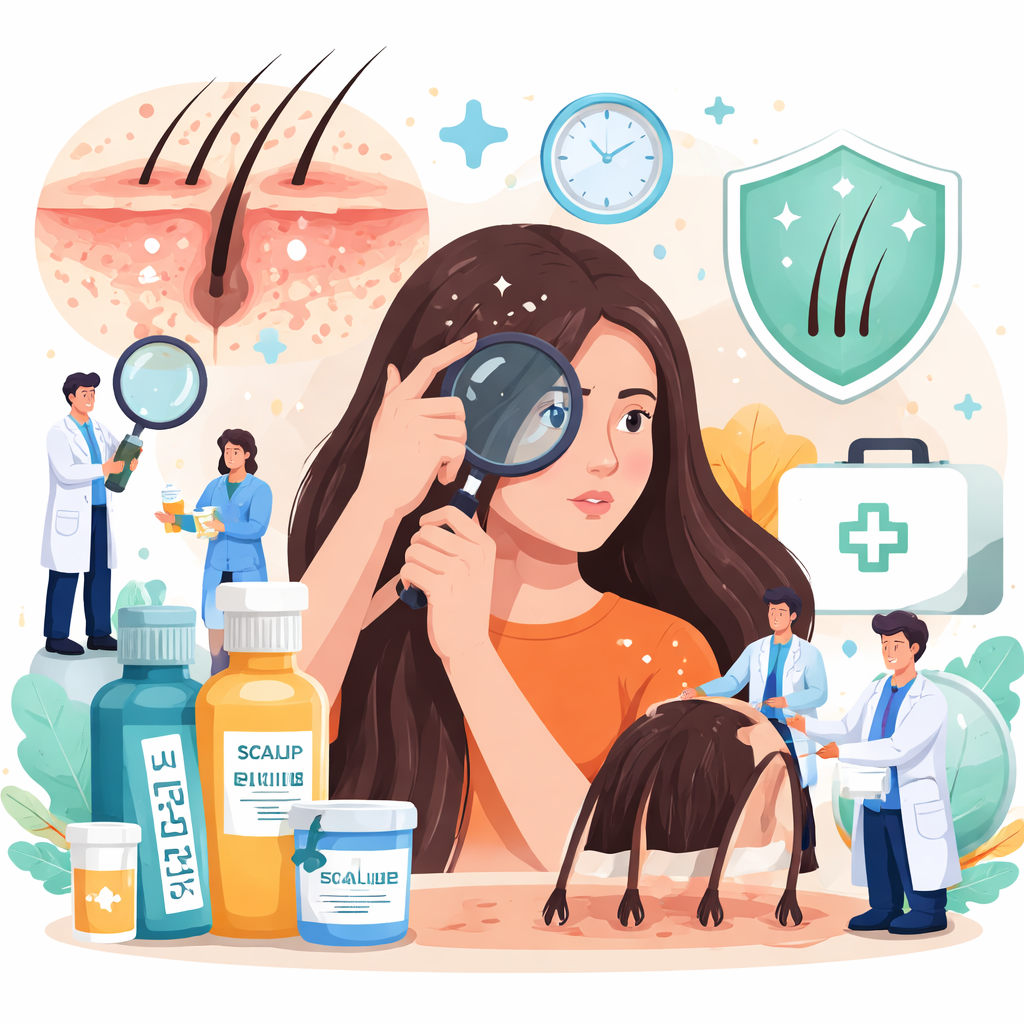
Treating scalp conditions early can significantly impact prevention and management of hair loss. Early intervention helps in controlling the infection spread and revitalizing the health of hair follicles. Treatment methods vary, ranging from medicated shampoos to prescribed topical ointments, each addressing specific infections and symptoms. For instance, antifungal shampoos can be immensely effective for dandruff and similar fungal conditions. Tailored solutions, focusing on hydration and scalp restoration, can prevent the progression of damage and revive lost hair. Dermatologists, through regular check-ups, can provide personalized treatment plans, offering targeted solutions based on individual scalp types. Educational initiatives focusing on early symptoms, such as unusual hair shedding or persistent itching, encourage timely medical consultation. Lifestyle changes, including
stress reduction techniques and a balanced diet rich in vitamins, support long-term scalp health. By prioritizing early treatment, individuals facing scalp infections can avoid chronic conditions and support natural hair regrowth.

Preventing Hair Loss Through Scalp Health Maintenance in Pancard club Road

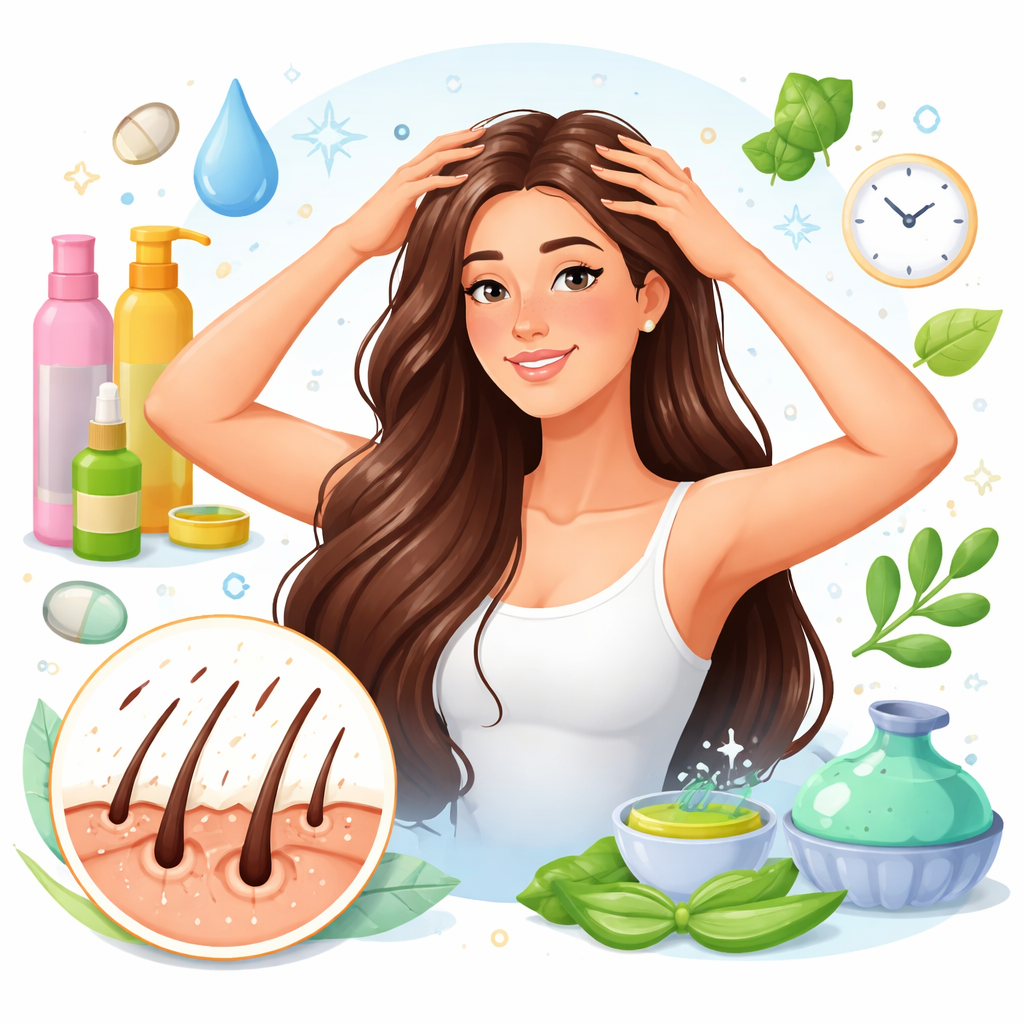
Maintaining scalp health is paramount in preventing hair loss and ensuring sustained hair growth. Regular scalp care routines, including gentle cleansing and the use of scalp-friendly products, can help maintain its natural balance and resilience. Hydration plays a critical role, as a well-moisturized scalp is less prone to infections and irritation. Incorporating a balanced diet, rich in zinc and biotin, supports hair strength and overall scalp condition. Stress reduction practices, such as yoga and meditation, can also contribute positively by reducing the incidence of stress-related hair loss. Protective measures against environmental pollutants, such as wearing hats or scarves, further prevent scalp damage. Seeking professional help when experiencing early symptoms of infection can prevent escalation. Products with natural ingredients like tea tree oil or aloe vera offe
r soothing relief for an irritated scalp, promoting healing. By integrating these preventive measures, individuals can maintain a healthy scalp environment, reducing the risk of hair loss and enhancing overall hair vitality.

Frequently Asked Questions

What are the early signs of scalp infections?
Early signs of scalp infections can include redness, itching, flakiness, and swelling on the scalp. You might also notice unusual hair shedding or small pus-filled blisters. Promptly identifying these symptoms can lead to early treatment, preventing further hair loss and scalp damage.
How do scalp infections cause hair loss?
Scalp infections can weaken hair follicles, leading to patchy hair loss or thinning. Conditions like dandruff disrupt scalp health, while infections like ringworm cause circular hair loss patches. Treating infections helps restore follicle health, reducing the risk of permanent damage.
What treatments are available for scalp infections?
Treatments for scalp infections vary based on the cause. Antifungal shampoos address conditions like dandruff, while antibiotics treat bacterial infections. Topical corticosteroids may reduce inflammation. Early diagnosis and prescribed medications can prevent progression and minimize hair loss.
Can lifestyle changes prevent scalp infections?
Yes, lifestyle changes can help prevent scalp infections. Maintaining scalp hygiene, managing stress, and ensuring a balanced diet rich in essential nutrients strengthen scalp health. Avoiding harsh chemicals and using scalp-friendly products also reduce infection risks, supporting natural hair growth.
When should one consult a dermatologist for scalp infections?
Consult a dermatologist if you experience persistent itching, redness, or hair loss. Early professional intervention helps in diagnosing and treating scalp infections effectively. Dermatologists provide tailored treatment plans that address specific conditions, halting further damage and promoting regrowth.
Call Us Now
Chat With Us