Menu

Discover Effective Solutions for Genetic Hair Loss in Pimple Nilakh

Understanding Genetic Hair Loss in Pimple Nilakh

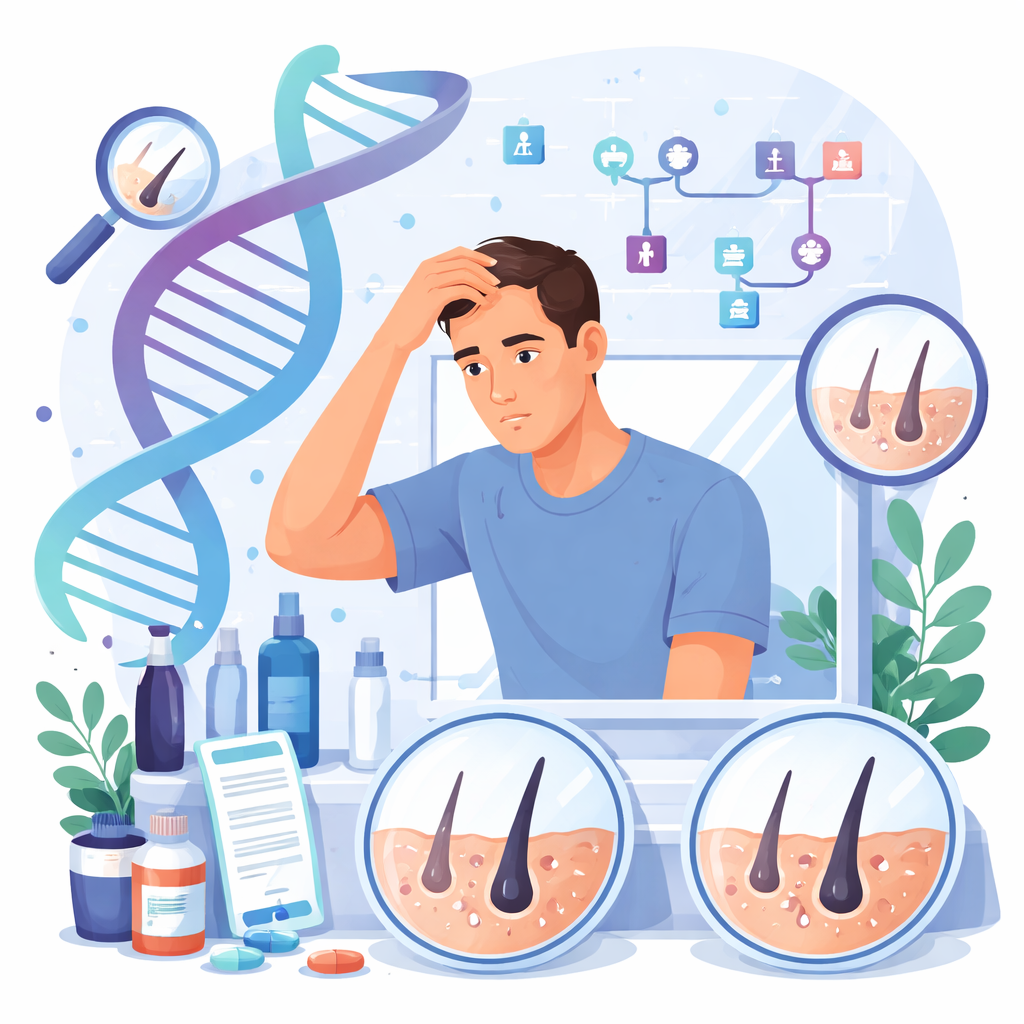
Genetic hair loss, often referred to as androgenetic alopecia, is a condition that many individuals face due to hereditary factors. The prevalence of this condition is quite significant, with a large demographic experiencing noticeable hair thinning. It's essential to comprehend that genetic hair loss isn't merely about losing hair; it is a progressive process influenced by genetics. The condition is primarily related to the sensitivity of hair follicles to dihydrotestosterone (DHT), a derivative of testosterone, which weakens the follicles over time. This leads to shorter and finer hair strands until they eventually cease to grow. In men, this typically presents as a receding hairline or bald spots, while women might notice a general thinning across the scalp. To effectively combat this, understanding the genetic components and triggers of hair loss is crucial. Various treatments are av
ailable that target the underlying genetic causes, such as medications and topical solutions designed to reduce DHT levels or bolster follicle health. Consulting a professional to develop a personalized plan is pivotal for managing the condition. As part of a modern approach, exploring innovative solutions like hair transplants or laser therapy can be highly beneficial. Many specialists are now recommending a combination of therapies to achieve optimal results.

Can Genetic Hair Loss Be Stopped? in Pimple Nilakh

The question remains: can genetic hair loss be entirely stopped? The straightforward answer is challenging, but significant advancements have been made in reducing its progression. Modern science has developed a range of effective hair thinning treatments that help delay the onset by targeting the root causes. While it may not be entirely possible to stop genetic hair loss, slowing its progress is feasible with the right interventions. Options like minoxidil and finasteride have shown positive results in many cases, helping individuals maintain their hair density and prevent further thinning. These medications work by either strengthening the hair follicles or reducing DHT. Moreover, emerging techniques like PRP (Platelet-Rich Plasma) treatments and microneedling have been successful in stimulating hair growth and improving the scalp's health. Lifestyle changes, including a nutrit
ious diet and stress management, are also crucial components of a holistic hair care regimen. It’s important to seek out expert advice to figure out a personalized treatment pathway that can effectively tackle hair loss while improving scalp environment. Advanced methods of treatment, tailored to individual needs, are becoming more accessible, offering hope to those affected by genetic factors. Combining lifestyle shifts with scientific interventions offers a promising way forward.

Commercial Treatments for Hair Loss in Pimple Nilakh

Today, the market is flooded with various hair loss treatments aimed at combating genetic hair loss. Among the commercial treatments, over-the-counter products like minoxidil are widely recognized for their ability to promote hair regrowth and thickness. These topical applications serve as a first line of defense for many experiencing hair thinning. Meanwhile, a prescription medication, finasteride, is effective in reducing scalp DHT levels, thereby slowing the onslaught of androgenetic alopecia. In addition to pharmaceutical solutions, there are FDA-approved laser devices that encourage hair growth through non-invasive techniques. These laser therapies work by invigorating follicle activity, effectively revitalizing dormant hair. For those seeking quicker, more noticeable results, surgical interventions such as hair transplants have also proven successful. This method involves tr

ansplanting hair from a densely populated area to a thinning one, offering a permanent and natural-looking solution. However, such interventions can be expensive and require professional consultation to determine suitability and potential outcomes. When evaluating these options, understanding the efficacy, side effects, and costs is essential. Thus, collaborating with a hair care expert who can align these factors with individual conditions and goals will ensure optimal results. Each intervention offers unique benefits, providing a comprehensive approach aimed at enhancing hair retention and scalp health.

Embracing Lifestyle Changes and Natural Remedies in Pimple Nilakh

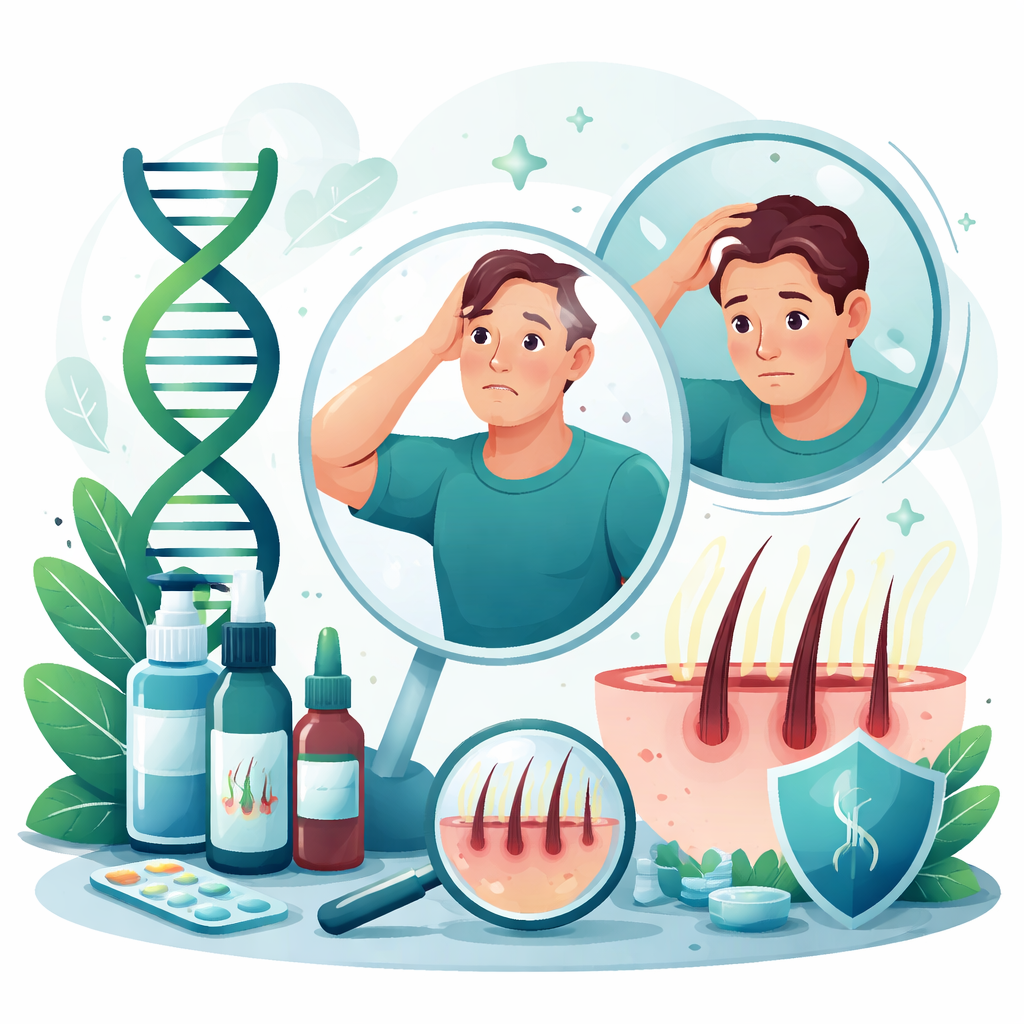
In addition to clinical treatments, embracing lifestyle changes and natural remedies can significantly impact genetic hair loss. A healthy diet rich in vitamins and minerals supports overall scalp health and fosters an environment conducive to hair growth. Essential nutrients such as biotin, zinc, and vitamins A and D play crucial roles in nurturing hair follicles. Incorporating stress-reduction techniques like yoga and meditation can positively influence hair retention, as stress often exacerbates hair loss. Alongside these, maintaining scalp hygiene is vital. Using gentle hair care products free from harsh chemicals prevents further damage to the scalp and follicles. Furthermore, massaging the scalp with essential oils such as rosemary or peppermint oil can stimulate blood circulation, promoting hair growth naturally. While natural methods might not replace medical interventions, they
complement treatments well by providing holistic support for individuals managing hair loss. It is vital, however, to maintain realistic expectations. The effectiveness of natural remedies can vary, and their success lies in consistent application and a commitment to living a healthy lifestyle. Consulting with a specialist to integrate these elements with traditional treatments can lead to a more balanced and effective strategy against hair loss. This combined approach not only elevates the success rate but also improves overall hair and scalp wellness.

Frequently Asked Questions

What causes genetic hair loss?
Genetic hair loss, or androgenetic alopecia, is primarily caused by an inherited sensitivity to dihydrotestosterone (DHT). This hormone causes hair follicles to shrink, leading to shorter and finer hair until growth ceases. The condition is prevalent in both men and women, often running in families. Understanding genetic predispositions is crucial in managing the condition effectively with high-intent hair loss treatments.
Can lifestyle changes help with genetic hair loss?
Yes, embracing a healthy lifestyle can help manage genetic hair loss. Maintaining a balanced diet with vitamins like biotin and zinc supports follicle health. Stress reduction and regular scalp hygiene can also benefit hair sustainability. Although they may not stop genetic hair loss entirely, these changes complement high-intent hair care treatments.
Are there effective treatments for genetic hair loss?
Yes, several treatments can help slow genetic hair loss progression. Medications like minoxidil and finasteride are popular, targeting hair follicle strength and DHT reduction. Advanced options like PRP therapy and laser treatments also show promise. Consulting a specialist to tailor these hair loss solutions is advisable for optimal results.
Is hair transplantation a viable option for genetic hair loss?
Hair transplantation is a viable option for many experiencing genetic hair loss. The procedure involves moving hair from a dense area to thinner spots, offering a natural-looking result. Though costly, it is a permanent solution. Professional advice is crucial to understand suitability and maximize hair restoration outcomes.
How do DHT blockers work in preventing hair loss?
DHT blockers are designed to prevent hair loss by inhibiting the production of dihydrotestosterone, a hormone that causes follicle miniaturization. Treatments like finasteride help maintain hair density by keeping DHT levels in check. Consulting a hair care expert can ensure these treatments are effectively integrated into your hair loss management plan.
Call Us Now
Chat With Us